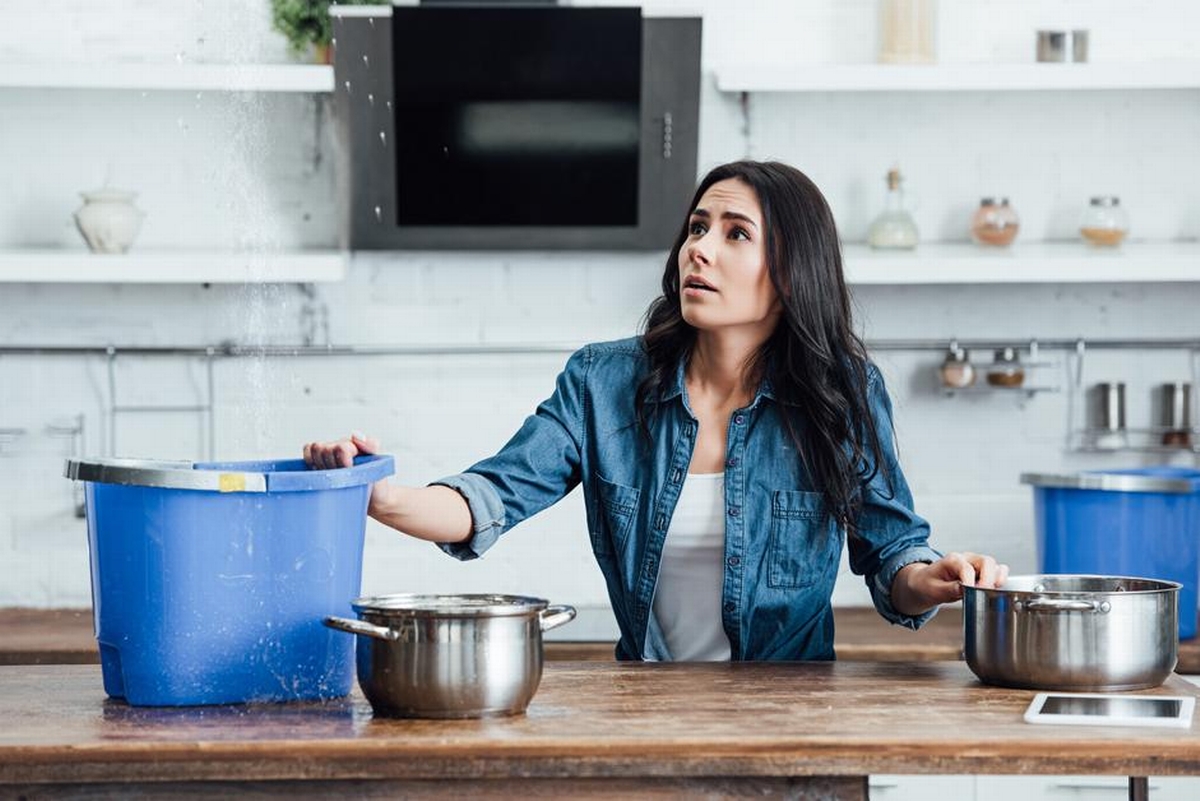
Beyond the Flood: A Consumer's Guide to Water Damage Mitigation and Recovery
Water damage can lead to structural issues, mold growth, and costly repairs if not handled swiftly and efficiently. Fortunately, understanding water damage mitigation and recovery can significantly decrease the damage and stress associated with such events. This guide aims to provide you with essential strategies and tips for effectively dealing with water disasters.
Water damage isn't something homeowners should face alone. Whether it's due to a burst pipe, natural flood, or an overflowing appliance, the aftermath can be overwhelming. Choosing the right restoration contractors in Minneapolis can determine the speed and success of your recovery process. These professionals offer comprehensive water damage restoration services, ensuring that your home returns to a safe and habitable condition.
The Immediate Steps After Water Damage
Assess the Situation
Upon discovering water damage, your first task should be to assess the situation. Determine the source of the water and try to stop it at the source, if possible. This could involve shutting off the water supply to your home or sealing off a particular area. Observing any potential hazards, such as the risk of electric shock, is also critical.
Document the Damage
Before you touch anything, take time to document the damage for insurance claims. Capture clear photos and videos of the damaged areas, making sure to cover all affected parts. This documentation is pivotal when filing insurance claims, as it provides a clear picture of the extent of the damage.
Contact Professionals Immediately
The faster you reach out to emergency restoration services, the better. Professionals bring technical expertise and specialized equipment such as industrial-grade dehumidifiers and fans that dramatically speed up the drying process. They ensure that all areas, even hidden zones, are thoroughly dried to prevent mold growth and further structural damage.
Why Professional Water Damage Restoration Is Essential
Expertise in Handling Different Water Categories
Water damage is often categorized into three types, each requiring distinct handling strategies:
- Clean Water : Comes from clean sources like broken pipes or rain and poses no immediate health risks.
- Gray Water : Contains contaminants and can come from appliances like dishwashers or toilets.
- Black Water : Highly contaminated water from sewage or flooding, posing severe health risks.
Restoration experts can quickly identify and safely manage these different water categories, ensuring your home environment remains safe.
Preventing Mold Growth
Mold can begin growing within 24-48 hours post-water exposure, making it critical to mitigate water damage promptly. Expert restoration contractors use specialized techniques to ensure that all moisture is removed, significantly reducing the risk of mold infestations, which can cause health problems and require costly remediation.
Restoring Structural Integrity
Water seepage can compromise the structural integrity of a building. Restoration professionals assess and repair structural damage, restoring your home's safety and stability. They possess the knowledge and equipment needed for tasks ranging from replacing drywall to reinforcing foundational structures.
Navigating the Insurance Maze
Understanding Your Policy
Filing a claim for water damage can be intricate. Start by understanding your insurance policy thoroughly. Note what types of water damage are covered-and what are not. Some policies may cover sudden incidents like burst pipes but exclude damages from slow leaks or floods unless flood insurance is specified.
Working with Claims Adjusters
A professional restoration company can significantly ease the claims process. They often work directly with insurance adjusters, providing them with detailed reports and documentation to assist in accurately assessing the damage and necessary repair costs. This collaboration can expedite claim approvals and payouts.
Negotiation Tips
- Be Prepared : Document everything meticulously and be ready to justify your claims.
- Get Estimates : Obtain multiple estimates for repair costs to ensure you get a fair assessment.
- Be Persistent : Don't hesitate to negotiate if you believe the initial offer doesn't cover the necessary expenses.
Preventative Measures for Future Protection
Preventing future water damage is as important as addressing it when it occurs. Consider these actionable strategies to mitigate future risks:
Routine Inspections
Conduct regular home inspections, paying attention to plumbing fixtures, roofing conditions, and basement dampness. Early identification of wear and tear can prevent significant water disasters.
Install Water Alarms
Water alarms detect leaks and automatically shut off the water supply, helping to prevent extensive damage from constant, unnoticed leaks. It's something you definitely want if you suddenly have a burst pipe or other water emergency. They are a wise investment for peace of mind, especially for frequently unattended areas like crawl spaces or storage rooms.
Landscape Wisely
Ensure that the exterior of your house is graded properly to keep water flowing away from the foundation. This minimizes the risk of floodwater entering your home through the foundation or basement.
Choosing the Right Restoration Partner
Selecting proficient restoration contractors is crucial for effective water damage recovery. Here's what to look for:
- Certifications and Training : Accreditation from recognized bodies (like the IICRC) indicates high standards in water damage restoration.
- Experience and Expertise : Consider companies with a proven track record and comprehensive service offerings in your area, such as storm damage restoration in Coon Rapids and beyond or home reconstruction in the Corcoran area.
- 24/7 Availability : Water damage can occur at any time, necessitating round-the-clock service availability.
Why Just Us Restoration Is Your Best Choice
At Just Us, we are committed to providing comprehensive water damage restoration in Minneapolis tailored to your needs. Our seasoned team understands the complexities of water mitigation and is ready to assist you with services like flooded basement cleanup in Champlin, MN. Our approach is rooted in expertise and empathy, ensuring your experience is as stress-free as possible. Contact us today to secure your home against water damage with proven professionalism and care.
Categories
Recent Posts
-
How to Know If Your Roof Has Storm Damage
October 17, 2026
-
Can Mold Grow on Wood and Why It Happens
October 15, 2026
-
Sewage Pump Lifespan: How Long They Last and When to Replace Them
October 09, 2026
Top-Rated Minneapolis Restoration Contractor
Water Damage
Flood Damage
Fire Damage
Storm Damage
Home Remodeling