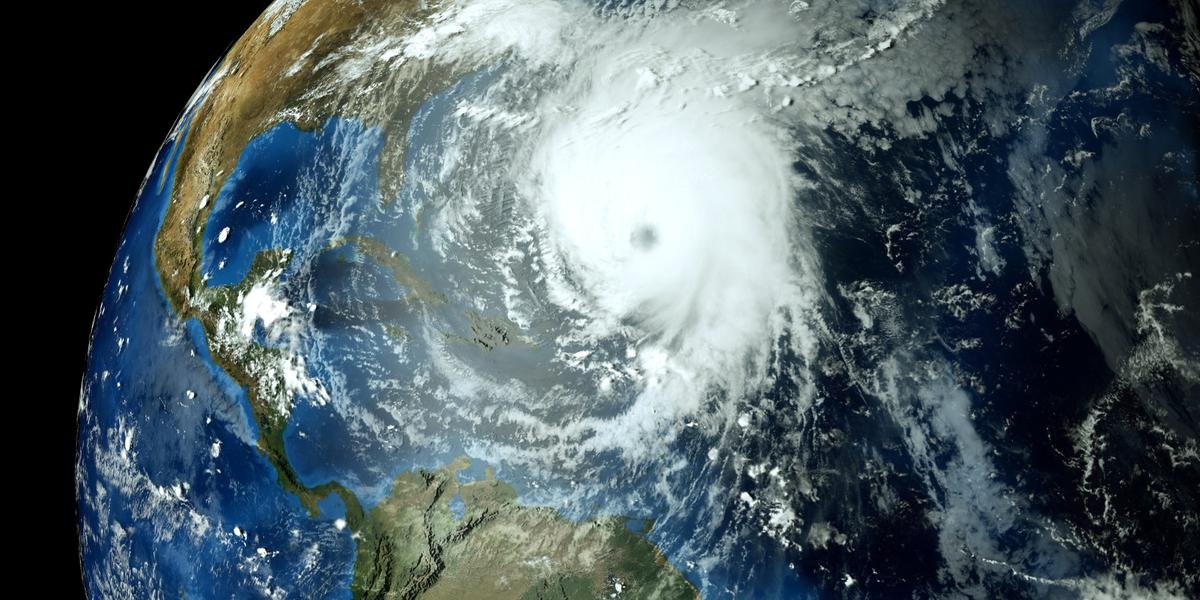
5 Levels of Hurricane Category Damage
When the skies darken and the winds begin to howl, the anticipation of an impending hurricane can instill worry in anyone living in coastal regions. Understanding the nuances of hurricane category damage can prepare you for the storm, and knowing when to call for support from restoration companies near you in Minneapolis is crucial. Each hurricane category signifies the potential damage it can inflict, not just by the speed of the winds, but by the implications on structures, utilities, and landscapes. While Minneapolis may not be in a hurricane zone, understanding these categories is essential for any area that could face fierce storms, especially in the context of global climate change that may shift traditional weather patterns.
It's crucial to differentiate the impact each hurricane category can have. By breaking down the levels of damage from Category 1 to Category 5 hurricanes, this blog caters to anyone keen to grasp the serious nature of these natural phenomena and how they tie into emergency preparedness. Restoration services not only offer solutions after a disaster strikes but also provide guidance on preventive measures that can mitigate damage. Staying informed can mean the difference between devastating losses and resilient recovery.
Understanding Hurricane Categories
Hurricanes are classified using the Saffir-Simpson Hurricane Wind Scale, which progresses from Category 1 to Category 5. This classification system provides a comprehensive understanding of the potential property damage and flooding expected, alongside wind speed and intensity. While the primary factor for categorization is wind speed, it's essential to understand the broader spectrum of damage each category represents.
Category 1: Minimal Damage
Hurricanes classified as Category 1 have sustained winds ranging from 74 to 95 mph. These storms often cause minimal damage to buildings and structures. However, shrubs, trees, and poorly constructed signage may suffer. Although considered "minimal," Category 1 hurricanes can still result in power outages and limited flooding. Restoration efforts typically focus on cleaning up vegetation debris and minor carpentry work. Despite the label "minimal," any level of hurricane category damage should be taken seriously, as even a minor storm can escalate quickly, especially with factors like loose debris.
Category 2: Moderate Damage
Category 2 hurricanes deliver winds from 96 to 110 mph, causing increased damage to roofs, windows, and doors. Communities may face extended power outages as fallen trees take down power lines. Roads can become impassable due to debris, necessitating the immediate attention of emergency services for cleanup and repair. This category often requires more substantial intervention from water damage restoration experts to prevent mold growth due to water intrusions. Understanding the severity of Category 2 is crucial for cities regularly in a hurricane’s path.
Category 3: Extensive Damage
A Category 3 hurricane is classified as a major hurricane. With winds ranging from 111 to 129 mph, these storms cause significant damage to homes and structures, tearing off roofs and uprooting trees. Water evacuation becomes more challenging as floods can compromise infrastructure, resulting in long-lasting damage and disrupting daily life. Homeowners may find themselves needing emergency services in Minneapolis and its neighboring areas to address destroyed roofing and siding, highlighting the necessity for quick, professional assistance in rebuilding efforts.
Category 4: Severe Damage
Hurricanes reaching Category 4 have winds between 130 and 156 mph, causing devastating impacts. Structural damage to homes and buildings is likely, accompanied by the destruction of trees and extensive power outages that could last weeks. The overwhelming impact of Category 4 storms demands robust disaster preparedness plans and quick post-disaster recovery actions. Cleanup and extensive repairs often involve coordinated efforts from multiple emergency services, aiming to restore normalcy in the shortest time frame possible.
Category 5: Catastrophic Damage
Category 5 hurricanes represent the pinnacle of storm severity, with winds exceeding 157 mph. These catastrophic events obliterate buildings, strip landscapes, and require long-term recovery strategies. Entire communities can be displaced, making reliable restoration services more critical than ever. During such extreme circumstances, the focus extends beyond immediate danger, touching on humanitarian efforts to ensure safety and rebuild lives.
Preparing for Hurricane Season
Proper preparation for hurricane season involves understanding local risks and implementing a comprehensive plan that includes both preventive measures and response strategies. In Minneapolis, while the direct impact of hurricanes might be minimal, unusual weather patterns suggest there is value in staying informed. By preparing your home and understanding when to reach out for storm damage restoration services, you can mitigate potential risks.
The benefits of proactive measures, such as securing loose items, installing storm shutters, and reinforcing roofing structures, cannot be overstated. Encouraging community-driven action plans can lead to faster recovery times and more resilient neighborhoods.
The Role of Restoration Services
Post-hurricane, as a flurry of restoration efforts ensue, companies in Minneapolis, MN, must display a mix of efficiency and empathy. From emergency repairs to long-term reconstruction, the services provided range from trauma cleanup to extensive rehabilitation of properties. Companies specializing in storm damage restoration are integral to community recovery efforts, providing much-needed support to homeowners reeling from the aftereffects of a hurricane.
Safeguarding Your Future
As climate patterns shift, the areas unaffected by hurricanes today may become vulnerable tomorrow. Therefore, even if you reside in less hurricane-prone regions, staying informed and prepared is a worthwhile investment. For those in and around Minneapolis, MN, preparing for water damage as a consequence of heavy storms or tornadoes can align closely with hurricane preparedness techniques. Restoration services emphasize the need for comprehensive planning and response strategies, advocating for constant readiness against nature’s unpredictability.
If you're in need of fire damage restoration in cities like Loretto, preparing for unexpected disasters starts with awareness and planning. Integrating robust preparation strategies with the expertise of restoration professionals provides a buffer against uncertainties, ensuring that when disaster strikes, recovery is swift and effective.
Action Steps for Resilience
Though Minneapolis may not face hurricanes directly, the lessons learned from hurricane category damage are universally applicable. Investing in comprehensive planning, whether for hurricanes or heavy storms, is crucial in sustaining long-term resilience. By collaborating with trusted restoration experts, you can enhance your community’s ability to withstand and recover from unexpected weather events. If you're looking for storm damage restoration in Maple Grove, prioritize establishing partnerships with experienced professionals to ensure you're always a step ahead of nature’s wrath.
Your safety and security in the face of natural disasters remain paramount. The time spent preparing today can safeguard future peace of mind, ensuring that when the winds finally blow, you and your community emerge stronger than ever. For those intending to equip themselves with preventive measures and expert restoration support, reach out to Just Us for comprehensive services that ensure your property and peace of mind remain intact.
Categories
Recent Posts
-
When Floors Get Wet: Engineered Hardwood Flooring Water Damage Steps
September 09, 2026
-
Restoration Timeline: How Long Smoke Damage Recovery Usually Takes
September 07, 2026
-
[Guide] How to Check for Mold After Water Damage the Right Way
September 03, 2026
Top-Rated Minneapolis Restoration Contractor
Water Damage
Flood Damage
Fire Damage
Storm Damage
Home Remodeling