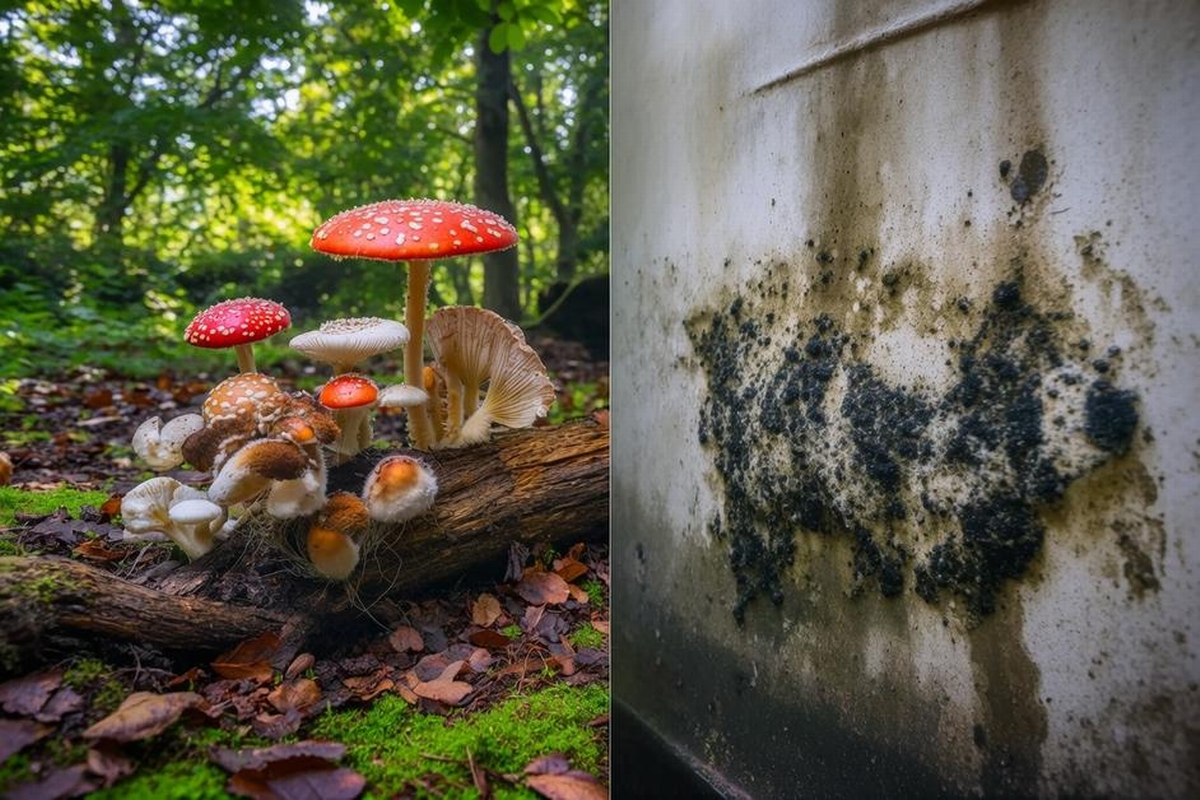
4 Key Differences Between Fungus and Mold
Have you ever found yourself confused about the fungus and mold difference while trying to remedy an unwelcome spot of growth in your home? It's a common conundrum that many face, especially when considering the best solutions for treatment or removal. This distinction is especially crucial if you ever need to contact a restoration company in Minneapolis for professional help with processes like mold remediation or home repair. Understanding the specific characteristics of each can save you time and ensure you pursue the most effective solution possible.
In this blog post, we'll highlight four critical differences between fungus and mold, addressing key characteristics that define each. By the end, you'll be better equipped to identify these pesky intruders in your environment and respond with informed solutions, whether tackling them yourself or enlisting the help of professionals. This knowledge will not only support your home health but also help guide you toward the right services should you ever face significant damage requiring restoration.
Defining the Organisms: Fungus vs. Mold
When we talk about fungus, we're addressing a broad category that includes yeasts, mushrooms, and mold as a subgroup. All fungi share some common traits: they are eukaryotic organisms, meaning their cells have nuclei and organelles enclosed within membranes. They play vital roles in ecosystems as decomposers, breaking down dead organic matter.
On the other hand, mold is a term used to describe a type of fungus that forms multicellular filaments known as hyphae. These hyphae can develop into visible colonies, often appearing as fuzzy patches on food or moist surfaces. The fungus and mold difference lies primarily in their structure and function, with mold being just one of many forms of fungi.
Here are four key contrasts that can help you understand how they differ:
1. Structural Composition
Fungi can vary widely in form, from single-celled yeasts to complex mushrooms. This diversity extends to mold, which typically consists of many tiny, thread-like structures known as hyphae. These hyphae weave together to form mycelium, the fabric-like base of mold colonies.
The wide variety in fungal structures reflects their adaptive strategies. Mold, for instance, requires moisture to thrive; this is why it’s commonly found in damp indoor areas like bathrooms and basements. In contrast, other fungi like yeast thrive on moisture-rich surfaces, often fermenting sugars in the process.
2. Habitat Preferences
Fungi are ubiquitous, found in nearly every terrestrial environment. Mold, however, has specific environmental preferences often dictated by the presence of moisture and organic material. Mold thrives in warm, damp, and humid conditions, making bathrooms, kitchens, and basements its favorite spots indoors. It's not uncommon to discover mold on household surfaces if regular cleaning is neglected.
Outside, mold plays a critical ecological role, aiding decomposition in the natural world. This contrasts with some other fungi that might thrive on living organisms or in entirely different environments. Understanding the fungus and mold difference in habitat can direct effective prevention strategies to keep your home mold-free.
3. Reproduction Methods
Another critical area where fungi and mold differ lies in their methods of reproduction. While all fungi can reproduce both sexually and asexually, the techniques and specifics can vary greatly. Mold spores are minute and easily airborne, making mold capable of spreading quickly and widely.
This high reproduction rate is why you might notice a small patch of mold quickly expanding if left untreated. Mold releases spores into the air, which can settle on new surfaces under favorable conditions. Other fungi may rely more heavily on different methods of reproduction, such as budding in yeasts.
4. Health Impacts and Concerns
The final fungus and mold difference involves their potential health impacts. Many molds produce allergens that can trigger asthma attacks and produce irritants affecting those who are sensitive. Some molds can even produce toxic substances called mycotoxins that may pose serious health risks.
Contrastingly, other fungi might have beneficial uses, such as Penicillium fungi that produce antibiotics. However, mold within homes is typically seen as a problematic presence. Therefore, managing mold growth through contingency measures, such as emergency services, is crucial in maintaining healthy indoor environments.
Practical Approaches to Mold Challenges
Mold issues, especially when left unchecked, can escalate necessitating emergency services. Interventions such as water damage restoration in the Minneapolis area are crucial in curbing the moisture that facilitates mold growth. Professional services can provide strategic removal and future prevention tips that broadly address mold issues.
Consider a scenario where a flooded basement is left for too long: mold can rapidly become a secondary issue if the initial water damage isn't addressed immediately, making comprehensive restoration a critical task. Regular checks and balances through professional intervention help not only maintain your property's integrity but also protect your health.
How Just Us Can Help
At Just Us Restoration, we are experts in precisely these emergency situations, offering a range of services such as storm damage restoration in Fridley. Whether you are dealing with a sudden basement flood or an ice dam on your roof, our professionals are equipped with the knowledge and tools to tackle the job effectively. Ensuring peace of mind and safety is our priority.
In the Minneapolis area and beyond, we're here to help assess and address any restoration needs, whether they involve hidden mold threats or sudden emergencies like burst pipes. Contact Just Us today for a free consultation, and ensure your home remains safe and sound for you and your family.
Categories
Recent Posts
-
How to Know If Your Roof Has Storm Damage
October 17, 2026
-
Can Mold Grow on Wood and Why It Happens
October 15, 2026
-
Sewage Pump Lifespan: How Long They Last and When to Replace Them
October 09, 2026
Top-Rated Minneapolis Restoration Contractor
Water Damage
Flood Damage
Fire Damage
Storm Damage
Home Remodeling